

Framework · Astro

Astro in China. Built for speed.

The modern frontend framework for content-driven websites. Static-first, near-zero JavaScript, and very kind to slow Chinese mobile networks.

Backed by Cloudflare since January 2026. We build Astro and WordPress, so we can be honest about which one fits.

astro-china-build
Lighthouse 100 / 100
JS shipped ~0 KB
Edge Aliyun
ICP filing Filed
0

Lighthouse score on a typical Astro site, no manual tuning

Sitepins, Astro in 2026

0%

of Astro sites pass Core Web Vitals “Good” thresholds

Versus 38% on WordPress

0%

faster LCP versus a comparable WordPress site, same Chinese host

ChinaWebFoundry measurements

Why It Works

Static HTML, no fight with the Firewall.

Astro builds pages as static HTML and ships them to a CDN. No PHP, no database, JavaScript only where it’s actually needed. The technical name is Islands Architecture, and Astro pioneered it.

In China that shape is exactly right. Less data over crowded mobile networks, fewer things that can quietly break behind the Firewall, and Baidu and the Chinese AI engines can crawl the content without a JavaScript runtime in the way.

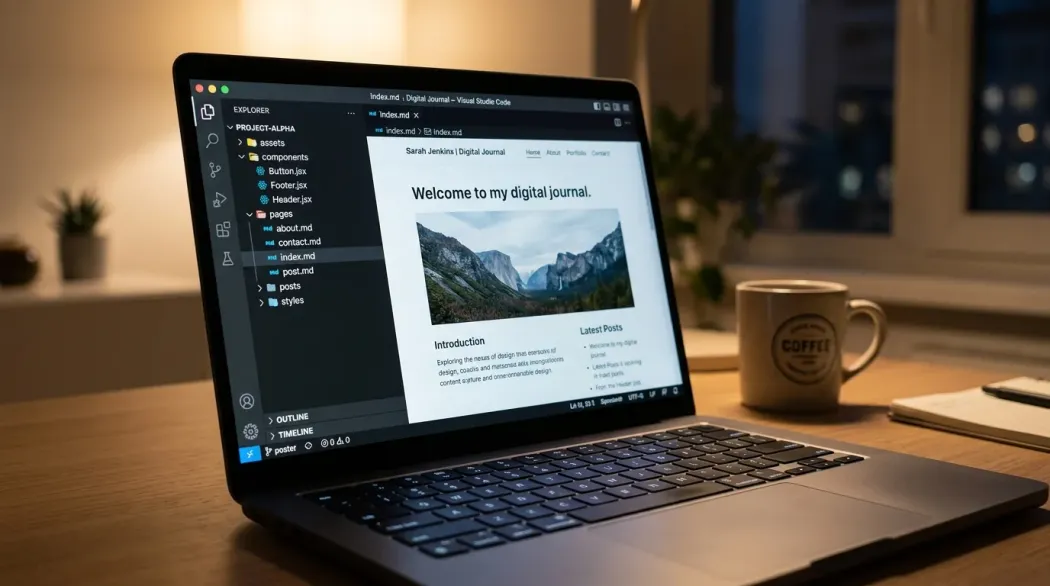
A modern code editor showing an Astro project structure, content collection markdown files in the sidebar and a static page rendered on the right

Plain files, in Git →

Markdown content, type-safe Content Collections and Astro components live in version control. The build produces static HTML, ready for a Chinese CDN.

What It Is For

What Astro is best at, in China.

Purpose-built for content-driven sites. Within that category, hard to beat right now.

Marketing sites and brand websites

Brand sites, product pages, landing pages, campaign microsites. Page speed has to be excellent and content is updated weekly or less. This is what Astro was designed for, and where the performance advantage shows up most clearly.

Brand sites Landing pages Microsites

Documentation and resource libraries

Starlight, Astro’s own docs framework, is the strongest in the ecosystem. For technical docs, knowledge bases and resource centres in China, it keeps content fast to load and navigation clean to follow.

Editorial sites and blogs

Content Collections give you type-safe Markdown and MDX with build-time validation. The workflow is faster than anything we have used on WordPress, and the output is dramatically lighter on Chinese mobile networks.

Multilingual marketing sites

Astro has built-in i18n routing. Running Chinese alongside English, French, German or Japanese is straightforward. We have shipped Astro sites with ten or more languages without trouble.

Sites where Core Web Vitals are the budget

When paid media depends on landing page speed, or your SEO depends on Baidu indexing your content cleanly, Astro is the framework that gets you there with the least fight. Sub-second loads on a mid-range Chinese phone.

High-security sites

Static HTML has no database to attack, no PHP to exploit, no admin login to brute-force. For brands that have been hacked before, or that operate in regulated industries where security is a board-level concern, the reduced attack surface is a real argument.

No database No PHP runtime No admin login Static delivery

When It Isn’t the Right Call

When you might want WordPress instead.

We build both, so we can be honest about which fits. WordPress is still the right answer for editorial-led sites, e-commerce at scale and plugin-driven workflows.

Pick Astro

Static-first, marketing-led.

  • The site is mostly content and marketing
  • Page speed is a hard, measurable requirement
  • The team is comfortable with developer-led workflows, or you connect a headless CMS
  • You want lower long-term maintenance and hosting costs
  • Security and a small attack surface matter more than editorial flexibility

Pick WordPress

Editorial workflow as daily work.

  • Your content team needs to publish daily without calling a developer
  • You run e-commerce with hundreds or thousands of products through WooCommerce
  • You depend on specific WordPress plugins (membership, LMS, marketing automation)
  • The marketing team uses Elementor or Divi and isn’t going to switch
  • The project is deeply interactive (logged-in dashboards, real-time features)

When in doubt, Strategy and Audit is where the conversation usually starts.

What Has to Change

What we change to make Astro work in China.

Astro is closer to China-ready out of the box than most stacks. A handful of defaults still need to be tuned before the site performs properly on the mainland.

Frontend

Fonts

Astro starters often pull from Google Fonts. We disable the loader and self-host the fonts directly, or swap in Chinese-compatible alternatives that ship Latin and CJK glyphs in one file.

External assets and images

Some Astro themes reference Western CDNs (jsdelivr, unpkg) for icons or libraries. We reroute everything through a Chinese CDN or bundle assets into the build. Images get served from Aliyun OSS or Tencent COS in modern formats.

Third-party scripts

Anything that pings a blocked service is removed or replaced. Maps, fonts, analytics, captchas and embeds each get a Chinese-compatible swap during the build, before the static output ever ships.

Integrations & CMS

Headless CMS, where needed

When the editorial team needs a visual interface, we wire up Storyblok, Sanity, Decap or headless WordPress. The CMS lives outside China, content syncs at build time, and the static site lives on a mainland server.

Forms and widgets

Forms run as Astro Islands. Google reCAPTCHA becomes a Chinese captcha. Google Maps becomes Baidu Map or Amap. The interactive bits keep working without external dependencies.

Analytics

Vercel Analytics or Plausible gets replaced with Baidu Tongji or a self-hosted tool. Same dashboards your team needs, none of the blocked endpoints.

Hosting & Build

Hosting

Mainland Chinese server, valid ICP filing on the domain. Aliyun, Tencent Cloud or Huawei Cloud, fronted by a Chinese CDN. Cloudflare’s own CDN doesn’t perform well on the mainland, so we don’t deploy there.

Build pipeline

The build runs outside China on a CI pipeline (GitHub Actions, GitLab CI). Static output gets pushed to the Chinese host. Push to main and the site updates within a few minutes.

Security posture

No database, no PHP runtime, no admin login. Security work shifts to the build pipeline and the Chinese cloud edge instead of a runtime that has to be patched every week.

Performance & SEO

Performance

Static HTML on a mainland CDN is hard to beat. We target sub-second first meaningful paint on a mid-range Chinese phone, and we usually hit it.

Baidu and AI search

Baidu has different crawling rules to Google, so we configure proper metadata, set up Baidu Webmaster Tools, and structure the site so Doubao, Kimi, DeepSeek and Wenxin can read and cite it. Plain files in Git make structured data and llms.txt easy to generate.

Built on the Chinese stack

The hosts and services we deploy Astro to.

Mainland-licensed providers, real Chinese-network performance, and the consumer services your audience actually uses.

Hosting

Aliyun

阿里云

Hosting

Tencent Cloud

腾讯云

Hosting

Huawei Cloud

华为云

Search & SEO

Baidu

百度

Auth & messaging

WeChat

微信

Payments

Alipay

支付宝

Where It Fits

Astro is built for content. Not for full applications.

We tell clients this upfront. Every project lands in one of three buckets.

Astro fits

Marketing sites with light interactivity

A marketing site with a small product showcase, a contact form or a few interactive widgets is exactly what Astro was designed for. Static pages, fast loads, JavaScript only where it has to be.

WordPress fits better

E-commerce and daily editorial

Thousands of products with a non-technical team managing inventory daily, deep plugin dependencies, builder-led marketing teams. WooCommerce on WordPress is still usually the right call.

Different tool entirely

App-like experiences

Logged-in dashboards, real-time collaboration, social areas, anything closer to an application than a website. Past that point, Next.js or Remix is a better fit than Astro.

Past the marketing-site mark, you start fighting the framework instead of working with it. We will tell you when that point is.

Timeline

How long it takes.

ICP filing usually sits on the critical path. We start it on day one.

New site

New Astro build

6 to 10 weeks
Discovery
Build
Launch
Week 1 Week 3 Week 7 Week 10

Migration

WordPress to Astro

4 to 8 weeks
Audit
Rebuild
Cutover
Week 1 Week 2 Week 6 Week 8

ICP filing runs in parallel

Twenty business days minimum at the provincial level, sometimes longer. We start the filing on day one so it never blocks launch.

Frequently Asked

Ten questions we hear about Astro in China.

Get Started

Thinking about Astro for China?

Starting fresh and want the fastest possible site for the Chinese market? Astro is usually the answer. Already on WordPress and the migration is starting to feel overdue? We can help you make the case and run the project.