
Morning coffee
Scan the bakery QR, pay with WeChat Pay, points credited automatically.

1.4 billion people open WeChat dozens of times a day. Conversations, payments, loyalty cards, shopping, the brand relationship itself, all of it lives inside one app.
We build Mini Programs and H5 mini-sites for foreign brands. Twenty years on the ground in Shanghai.
monthly active users on WeChat in 2025.
Tencent Q4 2024 earnings.
monthly Mini Program users
QuestMobile, 2025
spent inside WeChat per Chinese user, every day
QuestMobile annual report
A day inside WeChat
A typical day for a Chinese consumer. Six moments where WeChat is the default. The brand relationship lives in there or it does not exist.
Scan the bakery QR, pay with WeChat Pay, points credited automatically.
Tap the brand membership card before the second coffee. Tier check, free upgrade.
Mini Program of the noodle place down the street. Pre-ordered, ready on arrival.
Warranty status on a kitchen appliance. Brand Mini Program. No login needed.
Skincare brand Mini Program. Saved cart, WeChat Pay, ready in order history.
A favourite presenter on Channels. Tap a product, buy, no checkout interruption.
There is no Instagram, no WhatsApp, no PayPal. WeChat replaces all of them.
Mini Program or H5
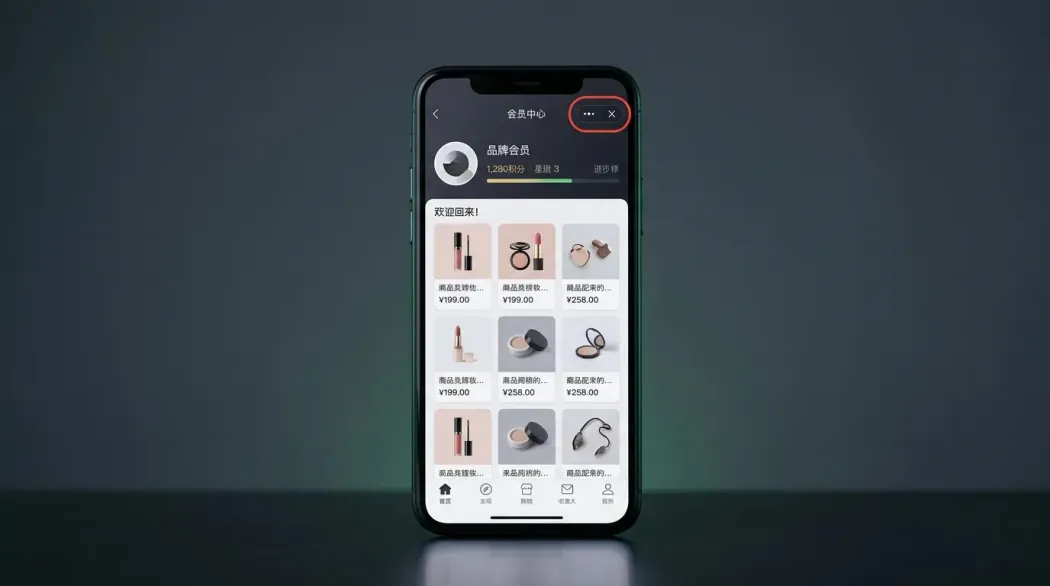
Native, lives inside WeChat. Full access to WeChat Pay, Login, camera, location. The right call for anything that has to feel like an app.
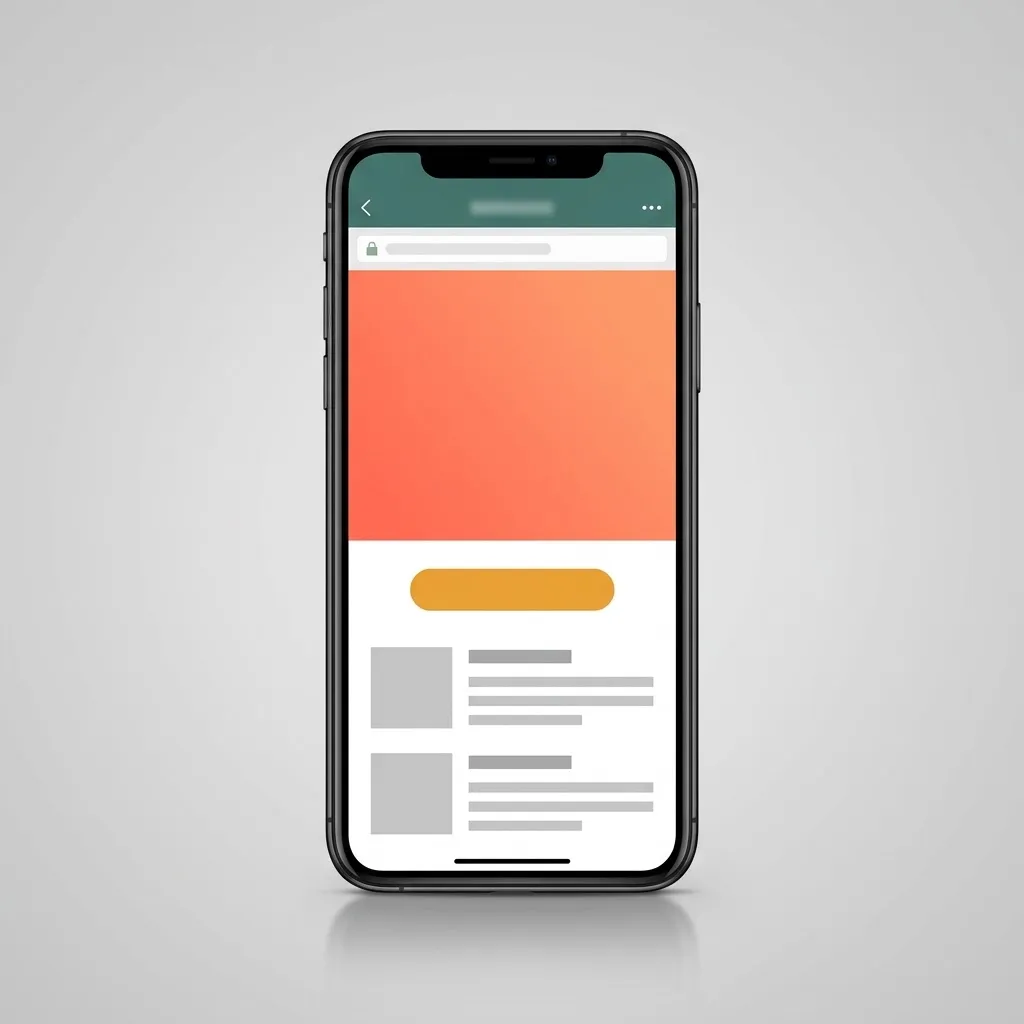
Mobile webpages opened inside WeChat's browser. Faster to ship, work outside WeChat too, but no native APIs. For campaigns, brochures, lead capture.
Good news for Astro sites. An Astro site built for China is already H5-compliant by default. Static, fast, no blocked dependencies. The H5 deliverable is mostly just the same site, scoped for the campaign.
Not sure which fits? Strategy and Audit is where the conversation starts.
What WeChat is For
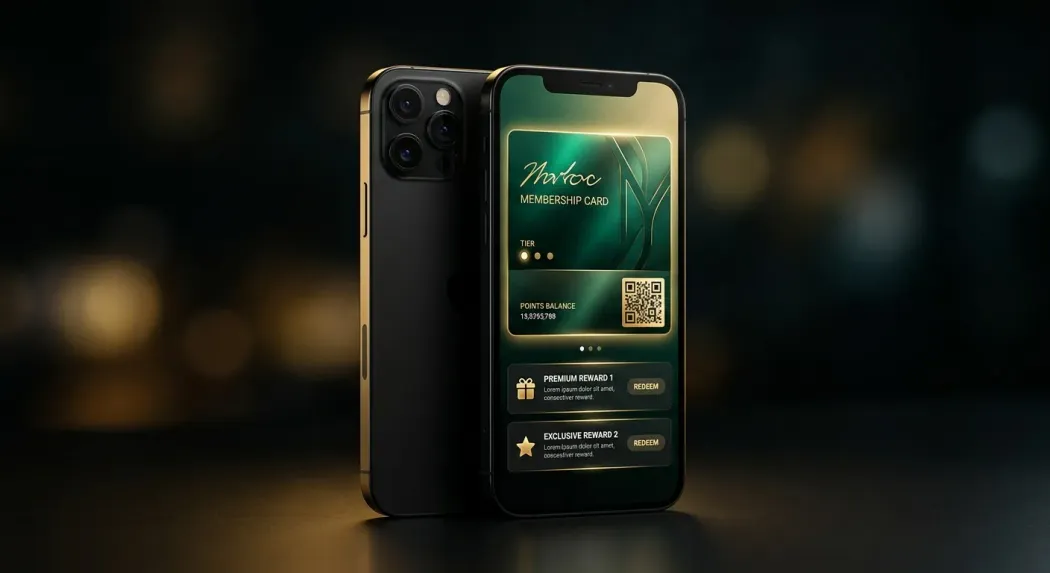
The most common use case for foreign brands. The Mini Program holds the card, tracks points, delivers personalised rewards. Starbucks China runs its entire membership this way.
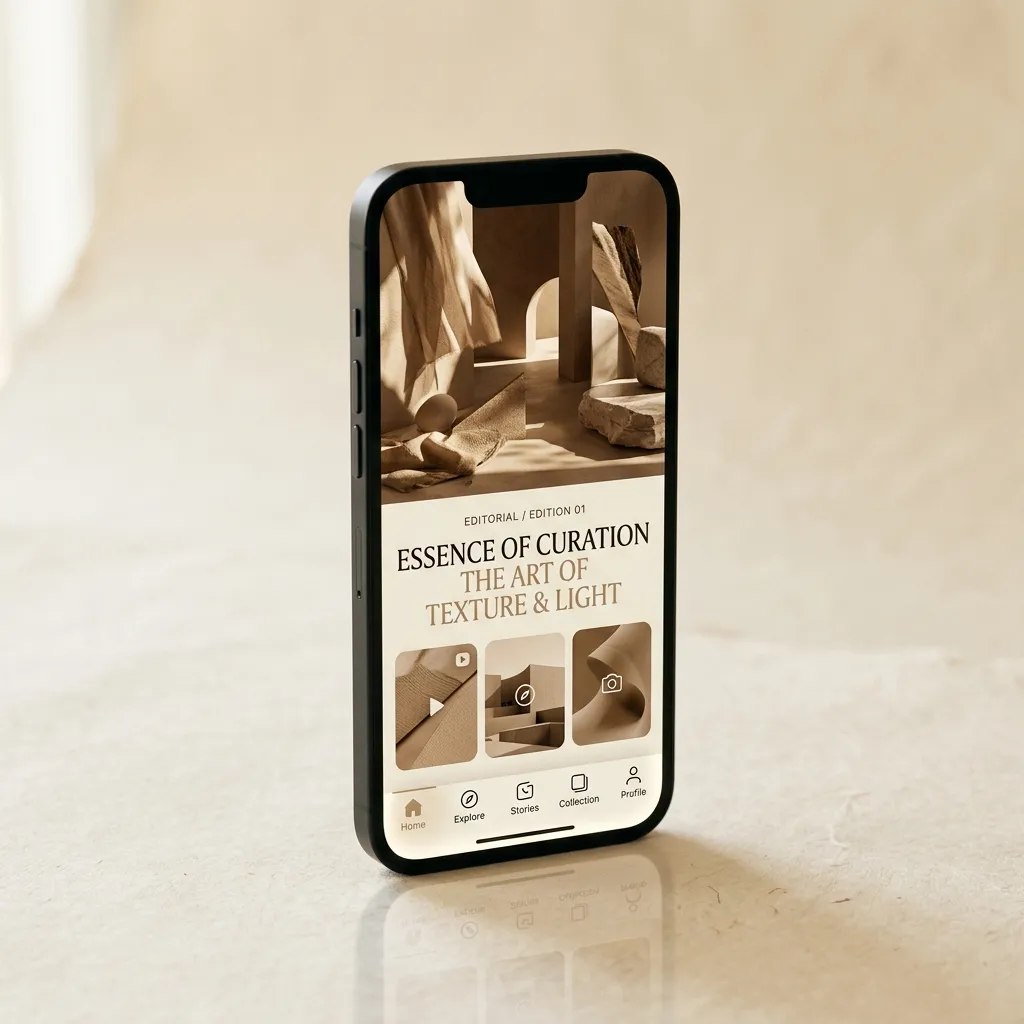
For luxury, beauty, and lifestyle brands: a curated content hub. Campaign films, founder stories, encyclopedias, store locators, virtual try-on, all inside WeChat.
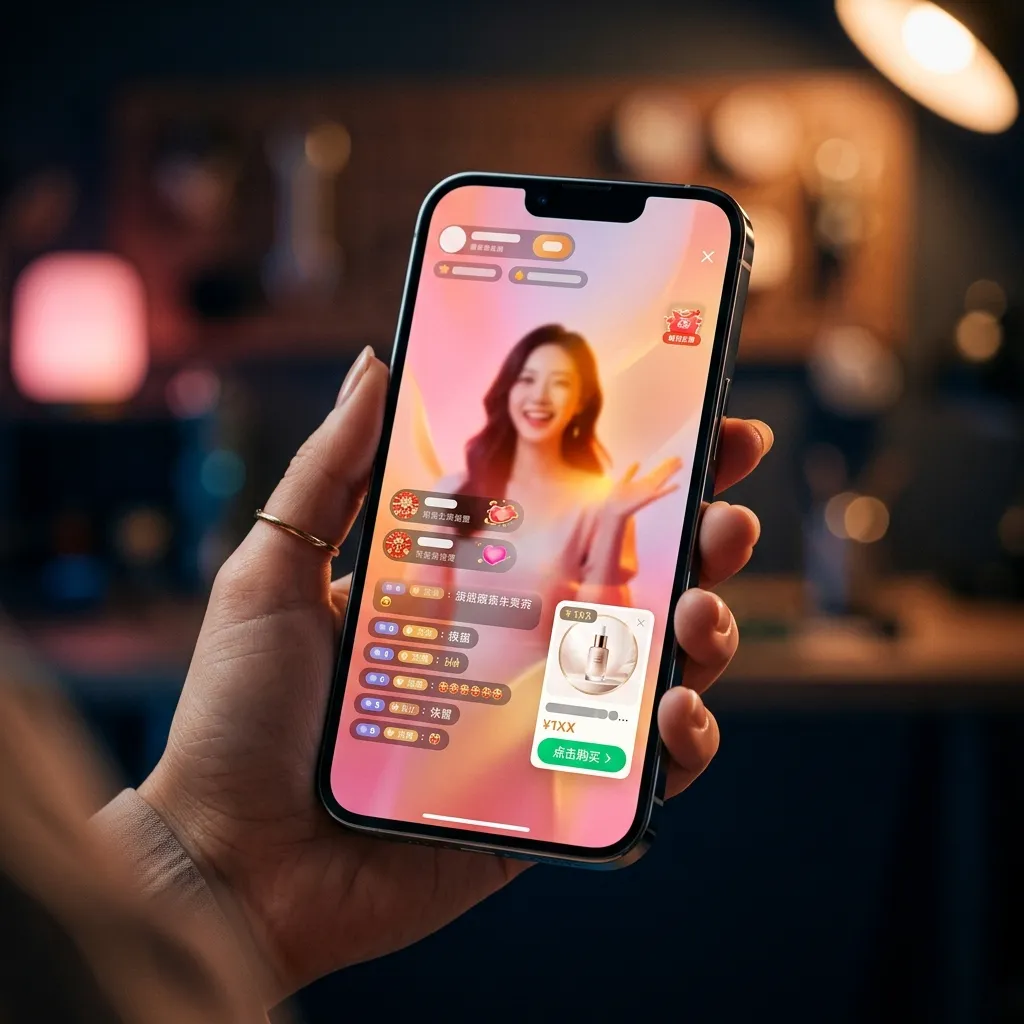
Sell direct without paying Tmall or JD their commission. Mini Program plus WeChat Pay, with private traffic from community groups and Channels livestreams.
For seasonal drops or campaign launches, the pre-order flow stays inside WeChat. No external site, no friction, much higher conversion.
After-sales, warranty registration, repair booking, support. The customer never downloads an app or remembers a password.
An H5 brochure or Mini Program catalogue is more useful than a PDF. Salespeople share it in chats, prospects browse from inside the conversation.
Offline-to-online
QR codes on packaging, in stores, on print, all opening straight into a Mini Program. In China the QR code is the link to everything. Without one on the other end, it is wasted real estate.
The Technology
The first decision ripples through everything else, from audit pass-rate to long-term maintenance cost.
The official Tencent stack. New APIs land here first, audit reviewers prefer it, long-term maintainability is at its best. Our default for WeChat-only projects.
One codebase, multiple Chinese mini-program platforms. Taro for React teams, UniApp for Vue teams or the broadest target list. The right call when you need WeChat plus Alipay or Douyin.
Vant Weapp for marketing-led and e-commerce projects. TDesign, Tencent's own enterprise design system, for complex B2B applications. TypeScript on every project of any real size.
Secure APIs through Aliyun or Tencent Cloud, with Chinese-side authentication. Data localisation handled to comply with PIPL and the Cybersecurity Law. CRM and ERP integration as needed.
The WeChat Ecosystem
Application
Mini Program
小程序
Channel
Official Account
公众号
Payments
WeChat Pay
微信支付
Video and live
WeChat Channels
视频号
B2B and CRM
Enterprise WeChat
企业微信
Backend
Cloud Development
微信云开发
The Ecosystem · 生态
The Mini Program ecosystem is enormous and mature. Whatever your business does, the odds are good that someone has already solved 70 percent of the problem and packaged it into a SaaS you can license today.
3M+
Mini Programs in production
450M
daily active Mini Program users
949M
monthly active Mini Program users
电商 SaaS
Storefronts, catalogues, WeChat Pay, group buying (拼团), flash sales (秒杀), vouchers (优惠券). Established players from CNY 6,800/year; newer no-code platforms from CNY 1,000 to 2,000.
会员与营销
SCRM platforms for member tagging (会员标签), behavioural tracking, automated journeys, personalised messaging through corporate WeChat. Global Salesforce, HubSpot, Zendesk setups wire in through connectors.
餐饮
Most chain restaurants in China run on one of these. Scan-to-order (扫码点餐), reservations, queue management (排队叫号), delivery, member rewards. McDonald's China and Starbucks (星享俱乐部) run on this stack.
预订与内容
DerbySoft and Tongcheng for hotels (Club Med used DerbySoft for direct-booking growth). Damai, Huodongxing, Yoopay for ticketing. Channels and WeChat Live for livestream. Audemars Piguet uses booking-inside-Mini Program for clienteling.
垂直行业
Industry-specific SaaS we know well: education (打卡), beauty (美业), property (看房), automotive (售后), healthcare (挂号). B2B sales teams run WeCom + Tencent Meeting.
We watch Aladdin Index monthly to keep track of which SaaS players are rising and which are losing share. The right answer is rarely let us build from scratch. Usually it is pick the SaaS that fits 70 percent, then build the 30 percent that genuinely makes your brand different.
WeCom · 企业微信
Foreign teams routinely confuse WeCom with WeChat. Same maker, different apps, different purposes.
Consumer
The consumer super-app. 1.4 billion personal accounts: social, payments, content. Your brand presence here lives in your Mini Program, Official Account, and Channels.
Enterprise
Tencent's enterprise tool. Corporate accounts for sales reps and customer service staff. Employees message customers' personal WeChat from a verified WeCom account. The customer installs nothing. The company keeps the history.
Why it matters
The relationship stays with the company.
客户关系将沉淀在企业侧, 不因员工的离职而流失
When a personal-WeChat sales rep leaves, they take the customer book with them. WeCom flips that. Customer relationships live at the company, not at the individual rep.
Five places we see WeCom earn its keep with international brands.
Store associates, beauty advisors, watch specialists message customers between visits from a WeCom account. Lin Qing Xuan (林清轩) and Florasis (花西子) both run this model.
Replaces a tangle of personal WeChat accounts with one managed, auditable system. Documents, approvals, video calls through Tencent Meeting (腾讯会议), all in one app.
Inbound support from your Mini Program, Official Account, or QR code lands in WeCom and routes to the right agent, inside a system legal can audit.
Drive public-channel audiences (Xiaohongshu, Douyin, paid media, in-store QR codes) into a WeCom contact, then nurture through one-to-one chat and curated content. How brands build real D2C revenue without paying Tmall and JD their commission.
Doubles as Slack and Teams for the China office. Documents, video meetings, approvals, all on Chinese servers, all in one app.
Why it is clever
Salesforce, HubSpot, Microsoft Dynamics, or homegrown systems all wire in through SCRM connectors. The regulatory layer is built in. The base account is free. You only pay for SCRM when you need it.
SCRM connectors we work with
The base WeCom account is free. SCRM is layered on only when you actually need it.
How we set it up
We almost always set it up alongside a Mini Program build or migration. The two together are how the brand actually shows up to the Chinese customer. Verification, SCRM integration, the CRM connection, and the team rollout, end to end.
What We Handle
The technology is one thing. The Chinese regulatory layer is the other. We carry both, end to end.
Through your WFOE, a local partner, or a service-account-only setup. Documentation, fees, identity checks, the Tencent back-and-forth.
Mandatory since 2023. Chinese business licence, ICP-filed domain, category approvals. We handle the 24-hour SMS window that trips up first-time filings.
Required for Mini Programs with a backend. Aliyun, Tencent Cloud, or Huawei Cloud, depending on your stack.
Merchant account, certificate generation, API, test cycle, end to end. The piece that breaks most often without local presence.
Policy, in-app consent UI, audit-ready against WeChat's guidelines. So the Mini Program passes review the first time.
Bundle size, load time, API frequency, content moderation. Tuned to what Tencent reviewers actually look for.
Timeline
Account registration and MIIT filing usually sit on the critical path and run in parallel with design and build. We start them on day one.
Mini Program · 小程序
H5 mini-site
Complex projects run longer
Deep ERP or CRM integration, full e-commerce, or multi-platform compilation through Taro or UniApp typically stretches the timeline to four or five months. We map this out clearly in the strategy phase.
Frequently Asked
Setup, ecosystem, and the day-to-day of actually running a Mini Program: how brands grow inside WeChat, where they get stuck, and the opportunities most miss.
Yes, but with limited functionality. A foreign-entity Mini Program can be registered through apply.wechat.com, but the resulting account is not fully visible inside mainland China and cannot access WeChat Pay or full advertising features. For a real China-facing Mini Program you need a Chinese business licence, either through your own WFOE or through a local partner.
For full functionality (mainland visibility, WeChat Pay, full advertising, all native APIs), in practice yes, you need a Chinese business entity. Setting up a WFOE takes three to six months. The faster alternative is launching under a partner's Chinese licence, which we can help arrange.
The Official Account (公众号) is your brand presence and content channel inside WeChat: followers, push articles, customer service. The Mini Program (小程序) is the actual application: e-commerce, membership, booking, anything functional. Most foreign brands need both. The Official Account is the marketing channel, the Mini Program is the product.
Multiple entry points: search inside WeChat, QR code scan, share from a friend, link from your Official Account, ad in WeChat Moments, link from Xiaohongshu, NFC tap, voice command. The Mini Program ecosystem has roughly fifteen entry surfaces and we design discovery into the project from day one.
Yes. We wire up secure APIs that connect the Mini Program to your existing CRM, ERP, or product system. Data that has to stay in China stays in China for PIPL compliance, the rest can flow through to your global stack.
It varies. A simple membership or brochure Mini Program is a smaller engagement. A full e-commerce platform with Mini Program, H5 catalogue, WeChat Pay, livestreaming hooks, and CRM integration is a much larger project. Tell us the scope and we send a real quote within two business days.
Yes, and we do, often. Taro and UniApp let one codebase ship to WeChat, Alipay, Douyin, Baidu, and H5 simultaneously. Worth doing when you need multi-platform presence. For WeChat-only projects we usually recommend native development for performance and API access.
You publish a new version through the WeChat developer console, Tencent reviews it (usually 24 to 48 hours), and the new version rolls out automatically the next time users open the Mini Program. No app store review, no user action required. This is one of the real advantages over a native iOS or Android app.
Both happen, especially on first submissions. Rejections are usually about content compliance, privacy policy, or performance scoring. Suspensions are rarer but can happen for content violations or compliance failures. We handle the resubmission and the appeal process. So far every Mini Program we have submitted has eventually gone live.
Different product, different use case. Enterprise WeChat is Tencent's B2B and internal-communications tool, used for sales teams, customer service flows, and CRM-style relationship management with Chinese clients. We build inside Enterprise WeChat too, usually for B2B brands where the sales relationship runs through individual reps rather than through a public Mini Program.
The most common problem after launch. Discovery alone is not enough; you need return reasons. Membership tiers that update, points that expire, exclusive content, livestream replays, restock alerts, service value (warranty, repair, booking). The Mini Programs that keep users coming back design for repeat visits from day one. If your Mini Program is just a translated brochure, users will not come back. We design retention loops into the strategy phase, not after the launch.
Different metrics from Western web. The honest ones: monthly active users (MAU), repeat visit rate, conversion to membership, points earned per active user, WeChat Pay GMV, Moments share count, livestream peak concurrency, Channels follower growth. Forget Google Analytics, it does not work here anyway. WeChat's built-in analytics, plus an SCRM dashboard like Parllay or Weiban, plus your own event stream into Salesforce or HubSpot, cover what you need.
They do different jobs. Tmall is reach and discovery for new buyers; the Mini Program is owned audience, repeat purchase, and lower commission. Most mid-to-large brands eventually run both. If budget forces a choice, strong existing private traffic and brand recognition tilt towards Mini Program first; weak brand recognition tilts towards Tmall first. The Mini Program gives you the long-term margin and the customer relationship; Tmall gives you the launch volume.
The build itself runs 10 to 14 weeks. The first three to six months after launch are about seeding private traffic, growing membership, and getting the operating cadence right. Most brands see meaningful repeat-purchase revenue from month four onwards, with the curve compounding through year one. Year-one ROI varies wildly with the operating model and offline-to-online integration. Brands that integrate Mini Program into in-store experience tend to see returns much faster.
Some China presence is required. Most of our clients run a small Shanghai-based team of one to three people: content, customer service, livestream operations. They supplement with external agency support for SCRM, paid media, and KOL relationships. Pure-overseas operation does not work; the cadence is too fast and the platform changes too quickly. We also offer a co-managed operations model for brands that want to start lean and grow the local team gradually.
Identity yes, UX no. Most foreign brands design the China surface like a translated Western flow, and Chinese users feel it immediately. We start the China design from local benchmarks (Xiaohongshu, native Mini Programs in your category), keeping logo, colour, typography, voice, and brand pillars, but adapting layout, navigation density, and call-to-action style to local expectations. The brand stays itself; the experience speaks the local language.
Most do both. Brand-owned Channels for content depth, storytelling, and full-funnel control; KOL livestreams for reach spikes during launches and seasonal moments. Channels is the fastest-growing surface inside WeChat right now and Tencent is pushing it heavily. Investing seriously here is one of the highest-leverage moves a foreign brand can make in 2025. We help with the production setup, the broadcast cadence, and the KOL shortlist.
Private traffic is the audience you can reach without paying ad fees every time: Mini Program returning users, Official Account subscribers, community group members (微信群), WeCom contacts. Building it is slow; compounding is real. It is the single biggest reason foreign brands choose Mini Programs over a Tmall-only strategy for the long game. The brands that win on WeChat in five years will be the ones who started building private traffic now.
Yes, through CBEC bonded zones (跨境电商保税区). You can sell into China without a Chinese entity, paying CBEC duties. The limitations are real: WeChat Pay support is patchy, product categories are restricted, and there is a CNY 26,000 annual per-person spend cap. CBEC works well as a market test for cosmetics, supplements, and mid-priced fashion. For a real long-term China presence with full Mini Program functionality, a local entity remains the better path.
It depends on the audiences. One Mini Program if your B2C, B2B, and after-sales audiences overlap and benefit from a single surface. Multiple Mini Programs, linked through WeChat's sub-program system, when audiences are different enough that mixing them dilutes the experience: a separate Service Mini Program for warranty and after-sales, a Membership Mini Program for loyal customers, a Brand Experience Mini Program for content. We map this in the strategy phase, not after launch.

Get Started
If your brand needs to be inside WeChat and you do not yet have a Mini Program or an H5 mini-site, we can help. Strategy and Audit is where most engagements begin.